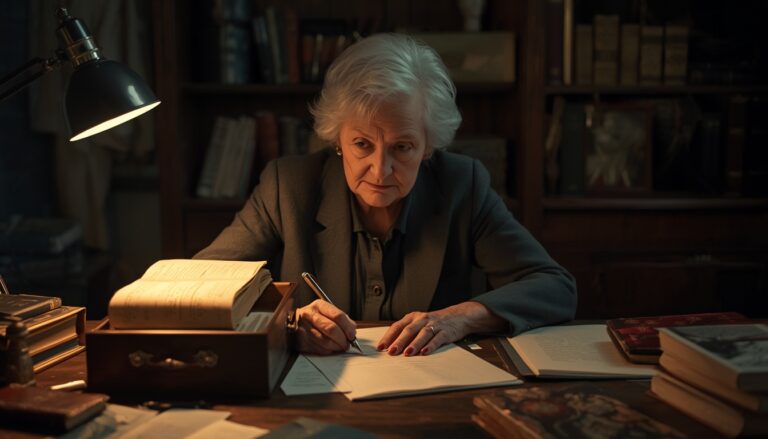

Psychological Suspense Thriller Books Where the Mind Becomes the Deadliest Threat
The most frightening danger in fiction is not a weapon or a villain. It is a mind turning against the person who owns it. This kind of story works because the threat lives inside the character, where no lock can keep it out, and no plan can outrun it. The reader watches a person slowly lose their grip, and no rescue is coming, because the enemy is already inside the house.
My Darling Sophia by Mickey Zinczenko carries two characters into that darkness, each unraveling in a different way. This piece follows how the story turns psychological pressure into its deepest source of dread, and it discusses key late developments, so anyone who wants to stay unspoiled should read the book first.
When Trauma Continues Long After the Original Danger
The danger that shapes a person rarely ends when the event does. Sophia survives betrayal, loss, and the trauma of being sold as a child, yet none of it truly leaves her. The finest psychological suspense thriller books understand that the wound outlives the moment, quietly steering a character long after the threat is gone.
A Past That Refuses to Stay in the Past
Years pass, but the fear she learned as a girl never really loosens its hold on her, no matter how far she runs from it. Her memories do not fade into history. They press on the present, shaping how she reacts, who she trusts, and what she is willing to do. That is the mark of a strong book about psychological thriller book storytelling, where the past is not backstory but a living pressure that follows the character into every room, coloring even the moments that should feel safe. Nothing she lives through ever truly ends for her.
Sophia’s Growing Headaches and Psychological Pressure
Long before anything supernatural seems to happen, the strain shows up in Sophia’s body. Headaches arrive, then worsen, and with them comes a creeping sense that something is wrong inside her. Many psychological suspense thriller books begin their descent this way, with small physical warnings that the mind is under more strain than it can hold.
The pressure she carries is not one single thing. It is a stack of quiet weights that never fully lift:
- The grief of a family that was destroyed around her
- The guilt of the operation she now helps to run
- The constant fear of being recognized and exposed
- The physical toll of headaches that keep getting worse
When the Body Warns the Mind
The headaches are easy to dismiss at first, both for Sophia and for the reader. Yet they keep returning, and they refuse to be ignored. A top psychological thriller fiction book often plants these early signals on purpose, so that when the collapse comes, the reader realizes the warning was there all along, quietly waiting to be understood.
How Surgery Creates an Unexpected Mental Threat
The transformations meant to save these characters may be the very thing harming them. As Jonathan recovers from his own operation and Sophia’s symptoms deepen, the story hints that the surgery has left a threat behind. The best psychological suspense thriller books love this reversal, where the cure quietly becomes the curse.
A Danger Hidden Inside the Healing
The reader slowly realizes that the operating table gave with one hand and quietly took something away with the other. What was supposed to grant a fresh start instead plants something dangerous beneath the surface. The reader gradually begins to suspect that the change went far deeper than the face alone. A book on psychological suspense thriller thrives on this dread, the growing certainty that the harm is internal, permanent, and impossible to simply cut away or undo with another procedure.
When Familiar People Become Psychologically Confusing
As Sophia’s mind frays, even the people closest to her become difficult to hold onto. After the identity reveal, those around her grow worried about her mental state, and her grip on who is who begins to loosen. The strongest psychological suspense thriller books use this confusion to unsettle the reader as much as the character.
Losing the Map of Who Belongs Where
The confusion does not arrive all at once. It creeps in at the edges, one uncertain moment at a time, until she can no longer trust her own read of a room. Faces that should be familiar start to blur, and relationships that once felt solid turn slippery and strange. Those who care about her notice the change before she fully does. A top suspense thriller book often works exactly here, in the terrifying gap between what everyone else can see and what the character is still refusing to admit about themselves.
The Fear of Forgetting Who You Are
There is no fear quite like the fear of losing yourself. As the daily headaches and confusion worsen, Sophia begins to lose track of her own identity, unsure at times of who she even is. The most memorable psychological suspense thriller books reach their deepest dread here, where the self itself starts to dissolve.
When the Self Starts to Slip Away
This is the deepest fear the whole novel reaches for, and it spares no one who wanders too close to it. It is one thing to hide an identity on purpose. It is another thing entirely to feel it slipping away without permission. The line between who she was and who she pretended to be grows thin and uncertain. The best book on psychological suspense earns its power in this space, where the reader feels the ground of a character’s mind giving way beneath them, slowly and then all at once. There is no more frightening place for a thriller to go, and the novel goes there without once flinching.
Hallucinations Turn Jonathan’s Mind Against Him
For Jonathan, the collapse takes an even more frightening shape. His headaches give way to visions, and his mind begins to conjure things that are simply not there. What started as ordinary physical pain slowly becomes something far stranger and harder to name. The psychological suspense thriller books that stay with a reader are often the ones brave enough to follow a character all the way into hallucination.
His descent moves through stages the reader can almost chart:
- Headaches that sharpen into something constant and consuming
- Confusion about where he is and who surrounds him
- Visions that blur the line between memory and nightmare
- A recurring giant black widow that begins to speak to him
Each stage pulls him further from reality, and the reader is dragged along, never quite sure what is real and what his mind has invented.
An Ending Where Reality and Identity Collapse
The novel ends not with a resolution but with a mind coming apart. By the final pages, Jonathan no longer recognizes the people around him, hears the black widow speaking, and comes to believe he is Peter Pan. It is a close worthy of one of the best psychological suspense thriller books 2026 has produced, refusing comfort in favor of something far more disturbing.
This final collapse leaves the reader with no solid ground at all, only questions that will not settle. It carries the same unresolved dread that runs through the wider best books on suspense thriller, where the greatest threat is a mind that can no longer tell what is real.
Frequently Asked Questions
What makes a thriller psychological rather than physical?
A psychological thriller locates the danger inside the mind. Instead of chases and weapons, the tension comes from memory, guilt, confusion, and the slow erosion of a character’s sense of reality. The reader is never quite safe, because the danger cannot be locked out.
Do both main characters break down in the same way?
No. Sophia’s decline is quieter, built from trauma, guilt, and worsening headaches, while Jonathan’s turns outward into visions and hallucinations. The contrast lets the novel explore two very different kinds of collapse.
Does the story explain what is happening to their minds?
Only partly. The novel hints at a physical cause tied to their surgeries, but it keeps enough uncertain that the dread never fully lifts, which is exactly what makes the ending linger. The reader is left to fill the silence with their own worst guesses.
Why These Psychological Stories Stay With Readers
The reason the psychological suspense thriller books in this vein endure is simple. They speak to a fear everyone quietly carries, the fear that the mind we depend on could one day stop being a place we can trust.
My Darling Sophia by Mickey Zinczenko follows that fear to its darkest edge, watching two people lose the one thing no disguise or escape can protect, which is a stable sense of who they are. Their bodies survive, but their minds do not, and the novel refuses to look away from the difference. That is the kind of story that stays with a reader long after the final page, because it leaves a question echoing in the quietest part of the mind.